If you are asking is air duct cleaning worth it, the honest answer is: sometimes. It can make sense when an inspection finds heavy debris, pest contamination, renovation dust, moisture-related contamination, or material actually entering rooms from the duct system. But routine cleaning is not automatically necessary for every home, and a responsible recommendation should start with what is actually inside your system.
The Short Answer: Is Air Duct Cleaning Worth It?
Air duct cleaning is worth it when there is a specific, inspectable problem to solve. That may include excessive debris, pest contamination, construction dust, moisture-related staining or growth, or particles coming from supply registers. If an inspection shows only a light layer of normal household dust and no other problem, routine cleaning may provide limited value.
That distinction matters because homeowners often hear two extreme messages: either “everyone needs duct cleaning” or “duct cleaning is always a scam.” Neither is a useful way to evaluate a real HVAC system. 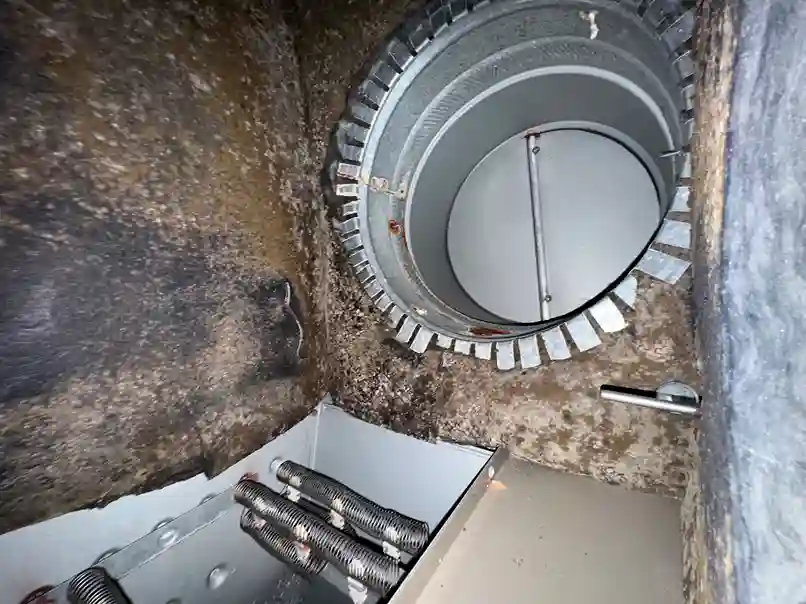
| More Likely Worth It | Probably Not Worth It Yet |
|---|---|
| Heavy visible debris inside supply or return ductwork | Light dust on a return grille that can be vacuumed |
| Pest droppings, nesting material, or insect contamination | No pest evidence inside the system |
| Drywall, sawdust, or renovation debris inside ducts | No recent construction and no unusual buildup |
| Moisture-related contamination that has been investigated | No moisture source, odor, or visible growth |
| Particles are visibly released from registers | You are cleaning only because a calendar says it is time |
What the EPA Actually Says About Duct Cleaning
The U.S. Environmental Protection Agency’s duct-cleaning guidance does not recommend routine duct cleaning for every home. The EPA says cleaning should generally be considered on an as-needed basis and notes that a light amount of household dust inside ducts is not, by itself, evidence that cleaning is required.
The EPA points homeowners toward specific conditions instead: substantial visible growth on hard HVAC surfaces, vermin infestation, excessive dust or debris, and particles actually being released into the home. It also warns that something that looks like mold may not be mold, and final confirmation can require expert evaluation or laboratory analysis.
That is the standard we prefer to use when homeowners ask is air duct cleaning necessary. Start with evidence. A technician should be able to show you what they found, explain why it matters, and describe the scope of work before you approve cleaning.
When Air Duct Cleaning IS Worth the Money
On service calls, we do not judge a system by the vent cover alone. A proper HVAC inspection can include supply and return ducts, registers, plenums, accessible air-handler components, filter areas, and visible sections around coils and blower assemblies. The goal is to identify the source and extent of contamination, not simply find enough dust to justify a sale.
Visible debris or material coming from your registers
If you can see heavy deposits inside the duct system, or debris is actually being discharged from supply registers when the HVAC runs, cleaning may be justified. A technician should document what is inside the system with photos or video and determine whether the material is loose, adhered, isolated, or widespread.
Before-and-after documentation is especially useful because it gives you a practical way to verify whether the targeted surfaces were cleaned. It also helps separate a real contamination problem from ordinary dust that may only be collecting on the face of a grille.
Pest or rodent contamination
Rodents and insects can leave nesting material, droppings, body debris, or damaged ductwork behind. In this case, cleaning is only one part of the solution. The entry point must also be found and corrected, and damaged flex duct or insulation may need repair or replacement.
If the pest source remains, cleaning the system without fixing access points can lead to the same problem again.
Renovation or construction dust
Drywall sanding, flooring work, demolition, and other remodeling projects can create fine dust. If supply or return openings were left uncovered, or the HVAC system ran during dusty work, that material may enter the duct system.
This is one reason we ask about recent home projects during an inspection. Renovation dust inside ductwork is different from the normal dust you see on furniture, and it should be evaluated based on where it settled and how much is present.
Moisture problems or visible growth on duct surfaces
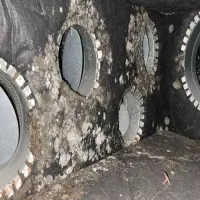
Moisture changes the situation. Condensation, drainage problems, air leaks, wet insulation, or humid air entering from an attic or crawl space can create conditions where suspected microbial contamination develops on HVAC surfaces.
Do not label dark spotting as confirmed mold from a photo alone. If testing confirms mold, the moisture source still has to be corrected, and the right response depends on the material involved. If you need help after confirmation, our mold removal service for confirmed contamination explains the next step.
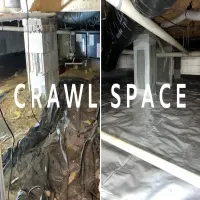
North Carolina homes deserve extra attention to moisture pathways because HVAC equipment and ductwork may run through humid crawl spaces, attics, or other unconditioned areas. Humidity alone does not mean your ducts need cleaning, but visible moisture-related changes should not be ignored.
When Duct Cleaning May Be a Waste of Money
If you are wondering is duct cleaning a waste of money, the answer depends on what problem you expect it to solve. Cleaning is less likely to be worthwhile when no inspection has identified a specific issue and the recommendation is based only on a fixed schedule.
- Your ducts show only a light layer of normal household dust.
- No material is blowing from registers.
- There is no pest evidence inside the system.
- There is no known renovation debris or water event.
- The company recommends cleaning before looking inside the ductwork.
- The sales pitch promises health benefits or energy savings that cannot be guaranteed.
A dusty register is not the same thing as a contaminated duct system. Return grilles naturally collect dust because air passes through them, and they can often be cleaned without performing a full-system duct cleaning.
Another warning sign is a recommendation that ignores the real source of a problem. If a filter is bypassing air, a crawl space is introducing moisture, a duct is torn, or a drain pan is not managing condensation correctly, cleaning alone will not correct that defect.
Claims to Be Careful About: Allergies, Energy Bills, and Airflow
Homeowners often ask does air duct cleaning really work for allergies, energy bills, or airflow. This is where careful wording matters. The EPA says duct cleaning has not been shown to prevent health problems, and studies do not conclusively show that particle levels in homes rise simply because ducts are dirty.
Cleaning can remove the debris or contamination that is physically present in the areas being cleaned. That is different from promising that a person’s allergies will improve. Indoor symptoms can have many causes, including outdoor pollen, pets, humidity, cleaning products, cooking, smoke, and other indoor sources. If you have unexplained or persistent health symptoms, speak with a medical professional.
The same caution applies to energy savings. Cleaning a dirty cooling coil, fan, or heat exchanger may help an HVAC system operate as intended, but cleaning ducts alone does not guarantee lower utility bills. Airflow problems can also come from undersized ducts, closed dampers, dirty filters, blocked coils, blower problems, duct leakage, or poor system design.
So, is air duct cleaning worth it for airflow? It may help when a real obstruction or excessive debris is restricting the system, but it should not be sold as a universal airflow fix.
Duct Type Matters: Flex Duct and Fiberglass Duct Board Risks
One of the most important air duct cleaning disadvantages is the possibility of damage when the wrong equipment or technique is used. Not every duct can be treated like rigid sheet metal.
- Rigid metal duct: Usually more tolerant of controlled mechanical cleaning when the duct is in sound condition.
- Flex duct: Contains a flexible inner liner that can tear, collapse, or separate if aggressive tools are used incorrectly.
- Fiberglass duct board: Has a porous surface that requires careful methods and soft-bristled tools. Wet or damaged material may need replacement rather than aggressive cleaning.
The EPA specifically advises careful cleaning methods for fiberglass duct board and internally lined ducts. That is why a technician should identify duct type before choosing brushes, air tools, vacuum pressure, or agitation methods.
If a company cannot explain how its process changes for metal, flex duct, and duct board, ask more questions before approving the job.
How to Spot a $99 Duct Cleaning Scam
Searches for is air duct cleaning a scam are common because homeowners have seen low-price offers followed by aggressive upselling. A low advertised price by itself does not prove a company is dishonest. What matters is whether the price, scope, and inspection are explained clearly before work starts.
Be cautious when a “$99 whole-house” offer turns into a much larger bill only after the technician arrives and no meaningful inspection was performed first.
- No written description of what the advertised price includes.
- No inspection before recommending extra services.
- Pressure to approve expensive add-ons immediately.
- Claims that every dark spot is confirmed mold without proper verification.
- Claims of EPA certification; the EPA does not certify duct-cleaning companies.
- Refusal to show you before-and-after photos of accessible areas.
- One flat method used on every duct material regardless of condition.
A trustworthy company should be able to tell you what it found, what it plans to clean, what is excluded, and what the total scope may cost before you authorize additional work.
What Affects Air Duct Cleaning Cost
There is no single price that fits every home. Actual pricing should be based on the system and the work required, not on a generic number copied from another house.
Common cost factors include:
- Number of HVAC systems and total ductwork served
- Number of supply and return registers
- System size and layout
- Rigid metal, flex duct, duct board, or a combination
- Attic, crawl-space, basement, or tight-access conditions
- Amount and type of contamination
- Whether air-handler, blower, or coil cleaning is part of the scope
- Repairs needed before cleaning can be done safely
- Optional services such as sanitizing or a properly selected UV-C system
UV-C is a separate HVAC treatment, not a substitute for removing physical debris, repairing moisture problems, or correcting damaged ductwork. If UV-C is discussed, ask what surface it is intended to treat, how it will be installed, and what maintenance the lamp requires.
Homeowner Decision Checklist
Still asking is air duct cleaning worth it for your house? Use this checklist before you pay for service.
- Ask for an inspection first. The recommendation should be based on what is actually inside the system.
- Request visual evidence. Ask for photos or video of accessible ductwork, plenums, and HVAC components.
- Identify the source. Find out whether the issue is dust, pest material, renovation debris, moisture, damaged ductwork, or another problem.
- Confirm the duct type. The cleaning method should match metal duct, flex duct, or fiberglass duct board.
- Fix underlying defects. Moisture, pest entry, filter bypass, or damaged ducts should be addressed so contamination does not return.
- Get a written scope. Know which ducts and HVAC components are included before work starts.
- Question broad promises. Do not rely on guarantees about allergies, energy bills, or airflow.
- Ask how results will be verified. Before-and-after photos should show accessible areas that were actually cleaned.
For homeowners in the Triad, our Greensboro air duct cleaning service follows the same inspection-first approach: document the condition, explain the scope, and then decide whether cleaning is appropriate.
Frequently Asked Questions
Does air duct cleaning actually make a difference?
It can make a visible difference when ducts contain excessive debris, pest contamination, renovation dust, or other material that can be physically removed. It should not be treated as a guaranteed solution for health symptoms, energy bills, or every airflow problem.
What are the disadvantages of duct cleaning?
The main disadvantages are cost, unnecessary service when no problem exists, and the risk of damaging flex duct or fiberglass duct board if the wrong tools are used. Poor vacuum control can also release dust into the home instead of containing it.
Do you actually need air duct cleaning?
Not every home needs routine duct cleaning. An inspection is more useful than a calendar. Cleaning is easier to justify when there is excessive debris, pest contamination, renovation material, moisture-related contamination, or particles being released from registers.
Is it worth cleaning ducts after buying a house?
Buying a house does not automatically mean the ducts need cleaning. It is worth inspecting them if the maintenance history is unknown, especially after remodeling, pest activity, water problems, or visible debris. The inspection should determine whether cleaning is needed.
Can air duct cleaning cause damage?
Yes, improper cleaning can damage ductwork. Aggressive brushes or incorrect equipment may tear flex duct, disturb fiberglass duct board, or damage HVAC components. The method should match the material and condition of the system.
Getting a Straight Answer About Your Own System
The best answer to is air duct cleaning worth it is not a blanket yes or no. It depends on what is inside your ductwork, why it is there, what material your ducts are made from, and whether the underlying cause can be corrected.
At Carolina Duct & Crawl LLC, we would rather show you the condition of your system than tell you that every home needs cleaning. If you are in North Carolina and want to know whether your specific system actually needs service, start with an inspection and a clear scope of work.
Request a North Carolina air duct inspection and cleaning estimate to get a recommendation based on your own HVAC system, not a one-size-fits-all sales pitch.