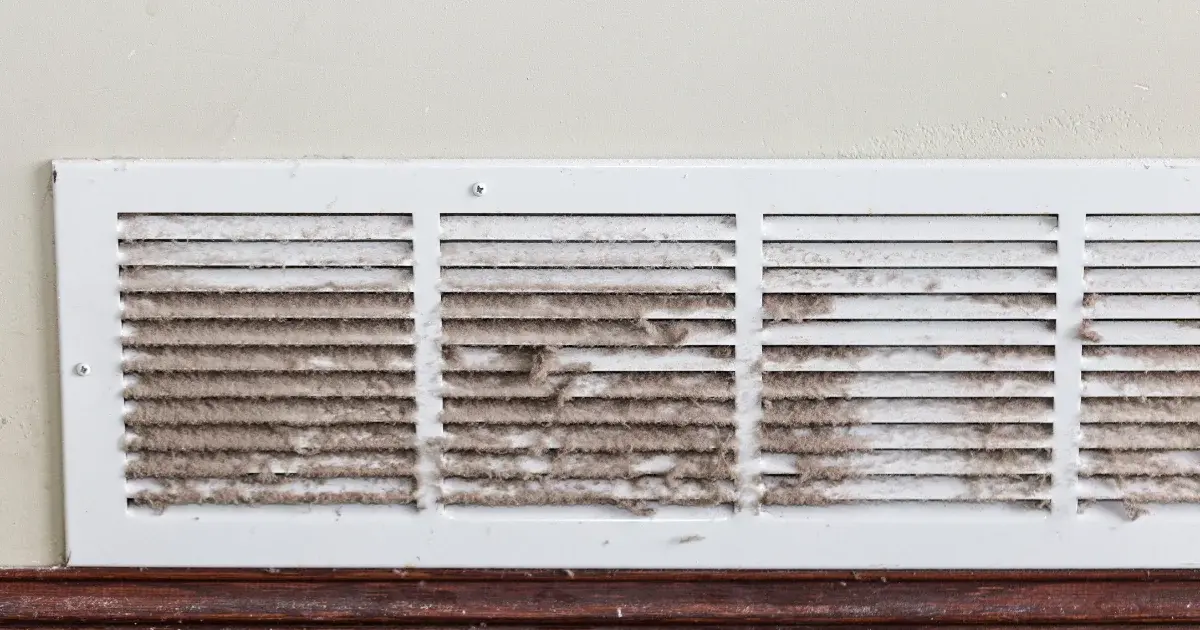
Air duct sanitizing is a treatment applied to the inside of the ducts after they have been cleaned. It is meant to reduce bacteria and mold on the surfaces it touches. It is an add-on, not a replacement for cleaning: sanitizer applied over a layer of dust does not do much, so cleaning always comes first. This guide explains what sanitizing is, when it makes sense and when you can skip it.
What Is Air Duct Sanitizing?
After a technician has removed dust and debris from the ducts, a sanitizing or antimicrobial product is applied to the duct surfaces. It is usually sprayed or fogged into the system. The goal is to treat the surfaces for mold and bacteria that cleaning alone may leave behind. Sanitizing does not remove dust, and it does not fix a moisture problem.
Cleaning vs Sanitizing: What Is the Difference?
| Air duct cleaning | Air duct sanitizing | |
|---|---|---|
| What it does | Removes dust, debris and loose growth | Treats surfaces after cleaning |
| Needed every time? | It is the core service | No, only in certain cases |
| Can it be done alone? | Yes | Not on dirty ducts. Clean first. |
| Fixes moisture? | No | No |
When Sanitizing Makes Sense
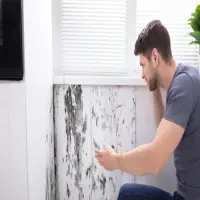
- After mold has been removed. If mold was found in the duct system and cleaned, a treatment can be part of the plan. See can duct cleaning remove mold.
- A persistent musty smell after the ducts are cleaned and the moisture source is found.
- After a water event, such as a leak that reached the ducts, once the water is gone and the system is dry.
- For people who are sensitive to odors or mold. Ask your doctor about health questions. We cannot promise a health result.
When You Can Skip It
If your ducts are only dusty and there are no signs of mold, cleaning alone is usually enough. Do not pay for sanitizing because a salesperson says it is always required. It is not. A good company will ask why you want it, and will tell you honestly if you do not need it.
Questions to Ask Before You Buy Sanitizing
- What product is it, and is it intended for use in HVAC systems?
- Will you clean the ducts first? (The answer should be yes.)
- Is it included in the price, or is it extra? Get it in writing.
- What will you do about the moisture that caused the problem?
- Do the occupants need to leave the house or turn off the system during or after the treatment?
If sanitizing makes sense for your home, we explain the options and the price after the free inspection, so you know before you decide whether it is worth it.
Fix the Moisture or Sanitizing Will Not Last
Mold comes back when moisture comes back. If condensation, a leaky drain pan, a wet crawl space or leaky duct joints are feeding the problem, no treatment will hold. That is why we start with a free mold inspection when mold is suspected. It looks at the ducts, the air handler, the attic and the crawl space, and finds where the moisture is coming from. If the crawl space is the cause, see crawl space encapsulation.
What Sanitizing Does Not Do
- It does not replace cleaning. Dust and debris are removed by cleaning, not by a treatment.
- It does not stop mold from coming back if moisture is still present.
- It does not repair a damaged, wet or heavily moldy duct. Some duct material has to be replaced.
- It does not guarantee a health result. If you have health questions about mold or air quality, talk to your doctor.
Keeping these limits in mind helps you decide whether the add-on is worth it. A good company explains them before you buy.
What It Costs
In Raleigh a standard home typically pays $250 to $500 for air duct cleaning. Our offer is Air Duct Cleaning $99.95. It includes 12 vents, 1 return vent and the main trunk line, plus a complete system inspection. Sanitizing is quoted separately after the free inspection. If mold is found, remediation typically ranges from $500 to $6,000+, depending on how much growth there is. See air duct cleaning for the full service.
Air Duct Sanitizing in Raleigh and Charlotte
Humid summers in Raleigh and Charlotte are the main reason homeowners here ask about sanitizing. Ducts in hot attics and over damp crawl spaces collect condensation, and that is where mold odors tend to start. Learn more about air duct cleaning in Raleigh and air duct cleaning in Charlotte, or see mold inspection in Raleigh.
How Often Should You Sanitize?
There is no schedule. Sanitizing is not a routine service. It is a response to a specific problem such as past mold or a lingering odor. How often to clean the ducts themselves is a different question. See how often you should get your air ducts cleaned.
Request a free estimate and we will tell you whether sanitizing is worth it for your home. We offer flexible financing options for qualifying homeowners. Terms depend on the lender and your approval.