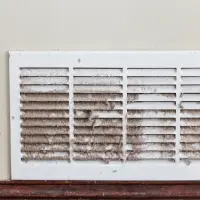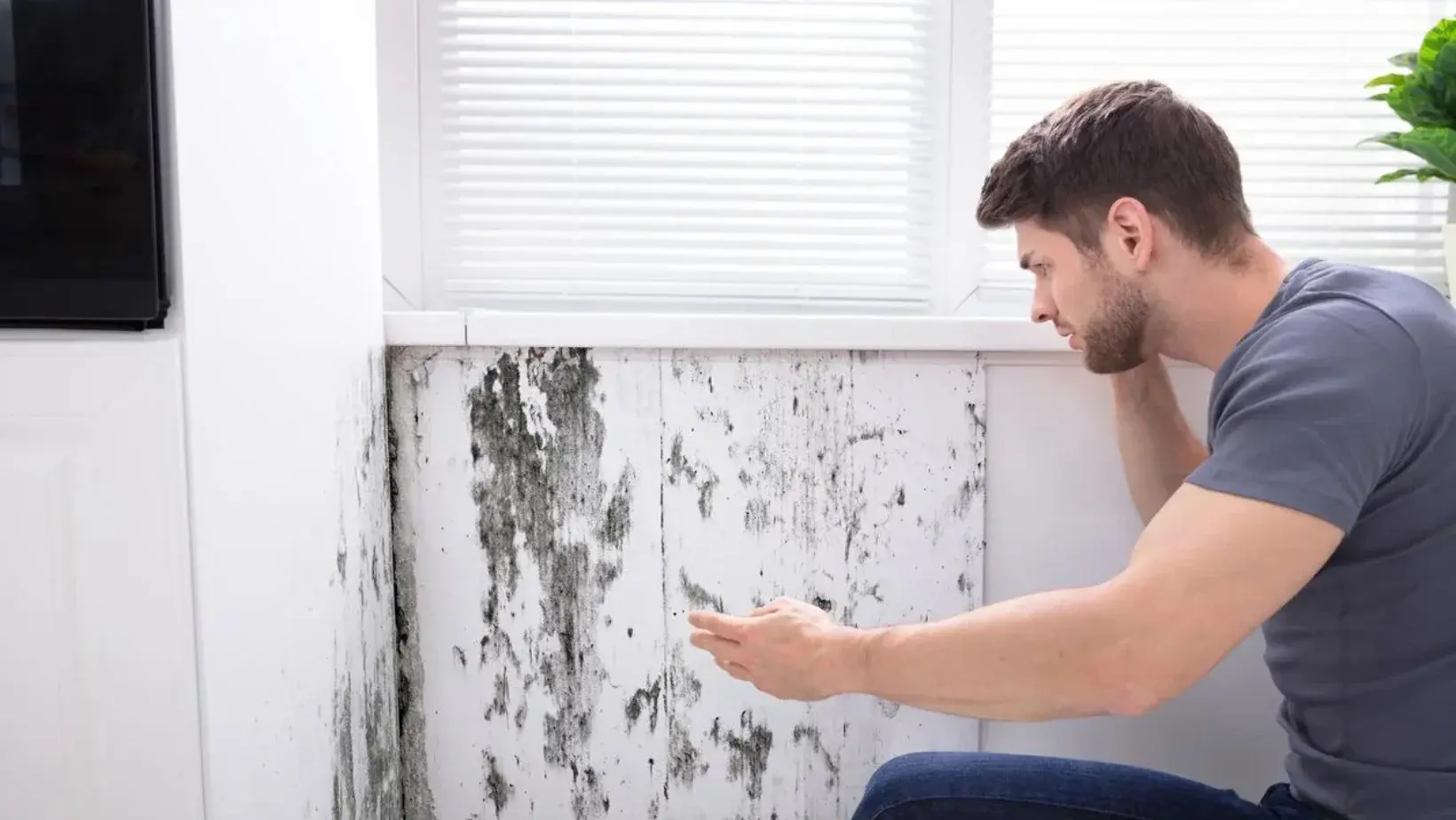
Duct cleaning can remove some mold, but it is not a cure for a mold problem. It removes dust, debris and surface growth from the parts of the duct system that the tools can reach. It does not stop the moisture that let the mold grow, and if that moisture stays, the mold comes back. This guide explains what duct cleaning can and cannot do, how to tell when mold is the real issue, and what to do next.
Short Answer: What Duct Cleaning Can and Cannot Remove
| Situation | Will duct cleaning help? |
|---|---|
| Dust, debris and pet hair in the ducts | Yes. This is what duct cleaning is for. |
| Light surface mold on metal duct or vents | Often yes, if the surface can be reached and cleaned, and the moisture is fixed. |
| Mold on the evaporator coil or in the drain pan | Not by itself. The coil and pan need their own cleaning or repair. |
| Mold inside lined or fiberglass duct board | Usually not. Porous duct material that is moldy often has to be replaced. |
| Mold that keeps coming back | No. Find and fix the moisture source first. |
Why Mold Grows in a Duct System
Mold needs moisture, food and time. Ducts supply plenty of food, because dust is organic. The missing ingredient is usually water. In a duct system it comes from a few common places:
- Condensation. Cold air in a duct runs through warm, humid space such as an attic or a crawl space. Water collects on the outside or inside of the duct.
- A clogged or leaking drain pan. Water from the air conditioner coil that does not drain away.
- Leaky duct joints. Humid air pulled into the system from a damp crawl space or attic.
- An oversized or poorly set up air conditioner. It cools the air quickly and shuts off before it dries it.
- A wet crawl space. Ducts that run under the house can pick up moisture from the ground. See crawl space encapsulation for how a sealed, dry crawl space helps.
If you clean the duct and leave the moisture, you have treated the symptom. That is why the first step is to look for the cause.
How to Tell If You Have Mold in Your Ducts
Dust and mold can look alike, so do not rely on color alone. Dark spots are often called black mold, but only a lab test can identify the type of mold. These signs are reasons to have a look:
- A musty or earthy smell when the heating or cooling runs.
- Visible spots or fuzzy growth on vent covers, inside the vent opening or around the air handler.
- Water stains, damp insulation or condensation on ducts in the attic or crawl space.
- Allergy-like symptoms that seem worse at home. Symptoms have many possible causes, so this is a reason to inspect, not a diagnosis.
What We Recommend: Inspect First
Before you pay for cleaning, find out what you really have. A mold inspection looks at the ducts, the air handler, the crawl space and attic, and the places where moisture could be coming from. The inspection is free. If mold is found, you get a clear plan and a written price. If it is only dust, we tell you that too, and a regular air duct cleaning is the right job.
In some cases mold testing helps, for example when the source is unclear or you want a record before and after the work. Visible mold needs to be dealt with whether or not it is tested. Testing is part of our mold testing and removal service, and the cost is quoted after the free inspection.
What It Costs
In Raleigh a standard home typically pays $250 to $500 for air duct cleaning. Our offer is Air Duct Cleaning $99.95. It includes 12 vents, 1 return vent and the main trunk line, plus a complete system inspection. If the inspection finds mold, remediation typically ranges from $500 to $6,000+, from small areas to extensive growth. We give you a written price after the free inspection and before any work. See how air duct cleaning is priced and the mold removal cost guide.
Mold in Air Ducts in Raleigh and Charlotte
Raleigh and Charlotte summers are hot and humid, and that is when many duct mold problems start. A system that runs for months in humid weather, with ducts in a hot attic or over a damp crawl space, creates the condensation mold needs. If you are in Raleigh, see air duct cleaning in Raleigh and mold inspection in Raleigh. In the Charlotte area, see air duct cleaning in Charlotte.
What to Do Next
- Turn off the system if you see heavy growth or smell a strong musty odor, and do not run it until it has been looked at.
- Book a free inspection so the cause is found first.
- If mold is confirmed, have it removed and the moisture fixed. See how to treat mold in air ducts for the steps.
- Once the ducts are clean and dry, keep them that way: fix leaks, seal the crawl space if it is damp and change filters on schedule.
Request a free inspection and we will tell you whether you need cleaning, mold removal or neither. We offer flexible financing options for qualifying homeowners. Terms depend on the lender and your approval.