Mold in air ducts is treated in three parts: confirm that it is mold, remove it safely, and fix the moisture that let it grow. Skipping the third step is the most common reason it comes back. This guide walks through each step, what a homeowner can safely do, and when to call a professional.
Step 1: Confirm What You Have
Dust and mold can look alike. Mold often has a musty smell and shows up as spots or fuzzy growth, on vent covers, inside the vent opening or around the air handler. Color does not tell you the type of mold. Dark growth is often called black mold, but only a lab test can identify the species. Treat any visible growth seriously.
A free mold inspection shows how far the problem goes. We check the vents, the air handler, the ducts you can reach and the places moisture could come from. If testing will help, we tell you so. The cost of testing is quoted after the inspection.
Step 2: Turn Off the System and Limit the Spread
- If you see heavy growth or smell a strong musty odor, turn the system off until it has been looked at. Running it can blow spores through the house.
- Do not scrub or brush visible mold. Dry scrubbing stirs it up.
- Do not spray or fog chemicals into the ducts yourself. Products meant for other surfaces can be a poor choice inside an air system.
- Keep children, pets and anyone who is sensitive away from the area.
Step 3: What a Homeowner Can Do
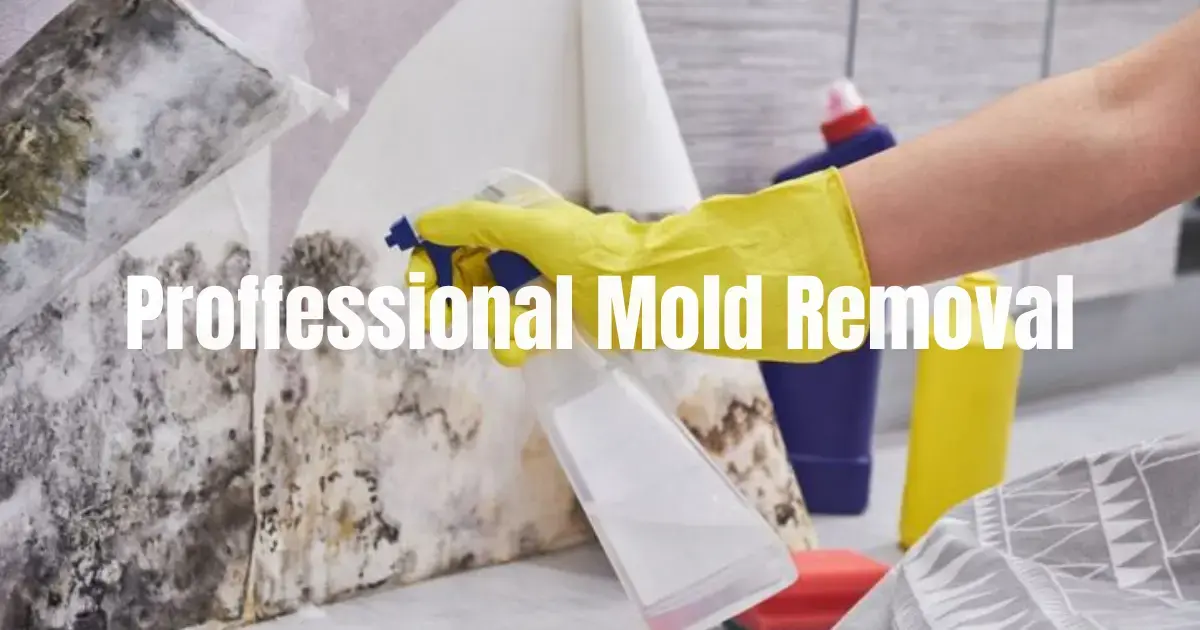
For a small amount of mold on a vent cover or register, you can remove the cover and clean it with a damp cloth and a mild detergent, wearing gloves and a mask. Dry it fully before it goes back. This treats only what you can see on the cover. It does not treat the duct behind it. See how to clean your air ducts yourself for what DIY can and cannot do.
Step 4: What a Professional Does
Mold inside the duct system, on the coil or in porous duct material needs a professional. A professional job usually follows these steps:
- Inspect. Find the extent of the growth and the likely cause.
- Contain the work. Limit the spread of spores to the rest of the house.
- Clean. Remove dust, debris and growth from the duct surfaces that can be reached.
- Replace what cannot be cleaned. Porous or heavily affected duct material, such as lined duct board, may need to be replaced.
- Treat. An antimicrobial treatment can be part of the plan. See air duct sanitizing.
- Check. Check the result and explain what was found.
See air duct cleaning for the service and can duct cleaning remove mold for what cleaning can and cannot do.
Step 5: Fix the Moisture
This is the step that decides whether the mold returns. Look for:
- A clogged or leaking air conditioner drain pan or line.
- Condensation on ducts in a hot attic or a crawl space. Insulation and sealing can help.
- Leaky duct joints that pull humid air into the system.
- A wet or open crawl space under the ducts. A sealed, dry crawl space keeps humid air out. See crawl space encapsulation.
- High indoor humidity. A dehumidifier can help in some homes.
What It Costs
In Raleigh a standard home typically pays $250 to $500 for air duct cleaning. Our offer is Air Duct Cleaning $99.95. It includes 12 vents, 1 return vent and the main trunk line, plus a complete system inspection. If mold is found, remediation typically ranges from $500 to $6,000+, depending on how much growth there is and where. You get a written price after the free inspection and before any work. See the mold removal cost guide.
Treating Mold in Air Ducts in Raleigh and Charlotte
In Raleigh and Charlotte, the humid summer months are when duct mold shows up most. Start with the free inspection, then decide. Learn more about mold inspection in Raleigh, air duct cleaning in Raleigh and air duct cleaning in Charlotte.
Keeping Mold Out After Treatment
- Change the filter on schedule, and use the filter size and type your system is built for.
- Keep the drain pan and line clear. Have the system serviced once a year.
- Fix leaks quickly, including plumbing and roof leaks near ducts.
- Have the ducts cleaned when they need it. See how often you should get your air ducts cleaned.
Request a free inspection if you see or smell mold. We offer flexible financing options for qualifying homeowners. Terms depend on the lender and your approval.